In a recent interview with John Koetsier, Peter Diamandis described the future of robotics in a poetic manner that, while not very precise, perfectly captures the sentiment: “Robots building robots all the way down.”

Very soon, robots will be able to replace every human in every job, regardless of the difficulty or skill level. Realizing this got me started on a chain of reasoning that began with the economic effect of robots replacing humans and led me into a visualization of a future society in which it makes sense to move all infrastructure underground. The best way to explain my conception of this infrastructure is to take the reader through my actual chain of reasoning.
As I discussed in a previous essay, Elon Musk is expected to be a leader in the robotics industry. He is developing humanoid robots that he eventually intends to mass produce and distribute. More importantly, he plans to start using these robots in his own factories.
When this happens, his cost of manufacturing will begin to converge to zero. However, the amount by which the cost can drop will be limited by how cheaply Musk can obtain power and resources that currently come from outside of his manufacturing loop.
To reduce these costs, Musk could buy or build mines, steel mills and power plants and use robotic labor in them. After that, the only remaining cost would be moving parts and materials and transmitting energy between his facilities using existing transportation such as trucks, ships, trains and airplanes which must all move through existing infrastructure such as roads, waterways, railroad tracks and the air and whatever power cables that are available.
However, there is a way Musk could eliminate even these costs, He could tunnel underneath the earth and move parts, materials and energy between his facilities through an elaborate subway system. Interestingly, Musk is developing his “Boring Company” and preparing to build underground hyperloops.
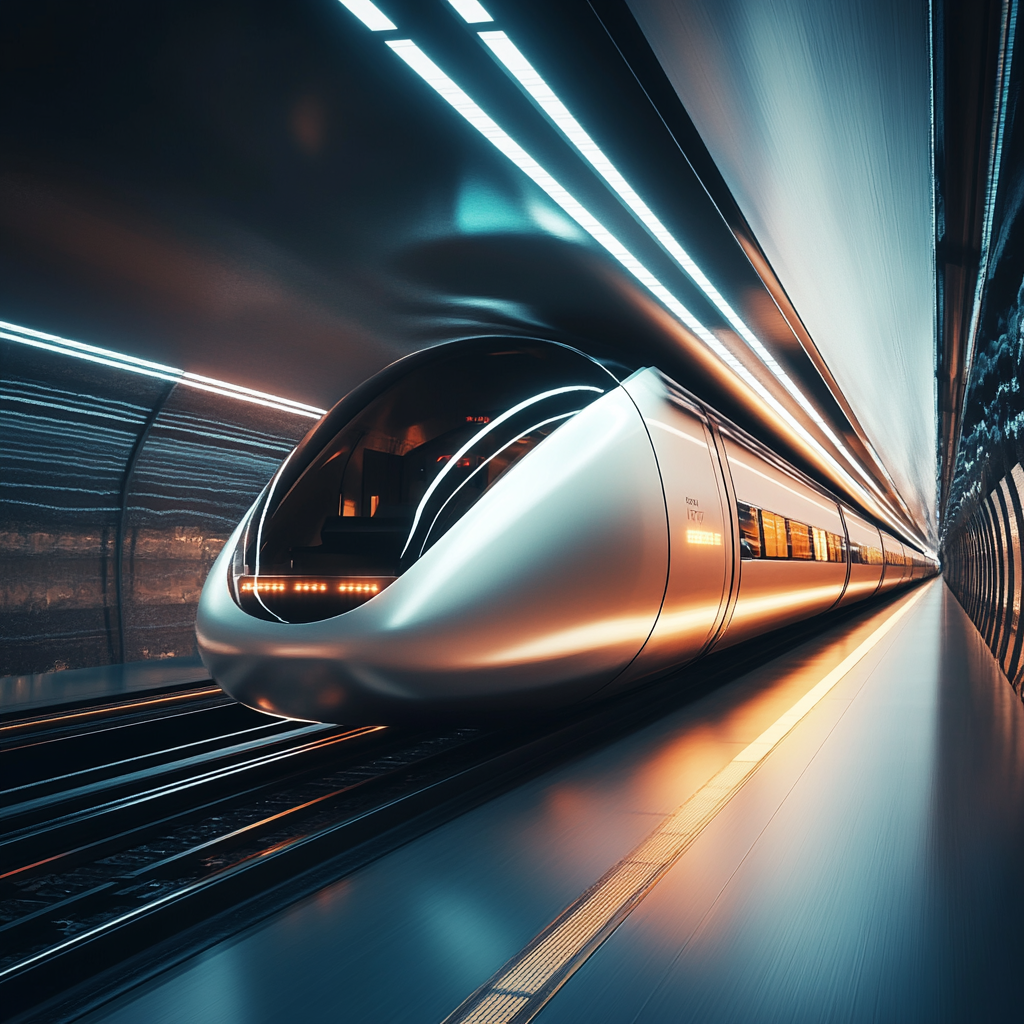
If Musk owned manufacturing plants, power plants and facilities for securing raw materials, and was able to convey parts, raw materials and energy through his own subway system, his cost of production for everything he manufactures, including robots, would be zero.
Of course, there are other considerations. If Musk wishes to dig tunnels underneath land he does not own, he will need to get permission. He will certainly be charged for that permission. Also, he will undoubtedly be charged for licenses and permits. The government always gets its cut. However, the real cost of manufacturing would be zero.
Elon Musk will not be the only one doing this. Governments and other manufacturers will latch onto this paradigm and begin tunneling like crazy. They will employ immense robotic boring machines that are built, operated, and maintained by other robots.
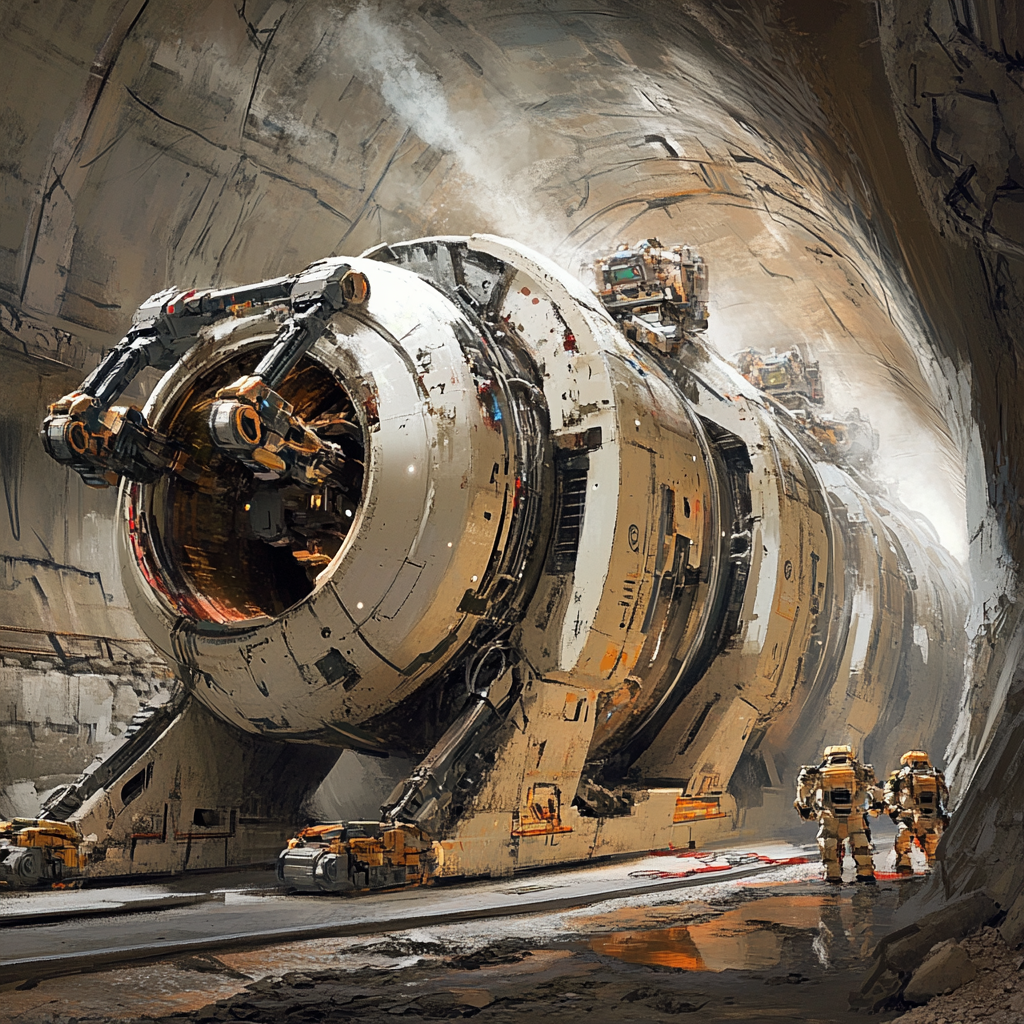
Factories can also be moved underground and integrated with this subway system. Currently, factories and other industrial infrastructure are housed in large, sprawling facilities, ideally located in areas that humans do not care to inhabit.
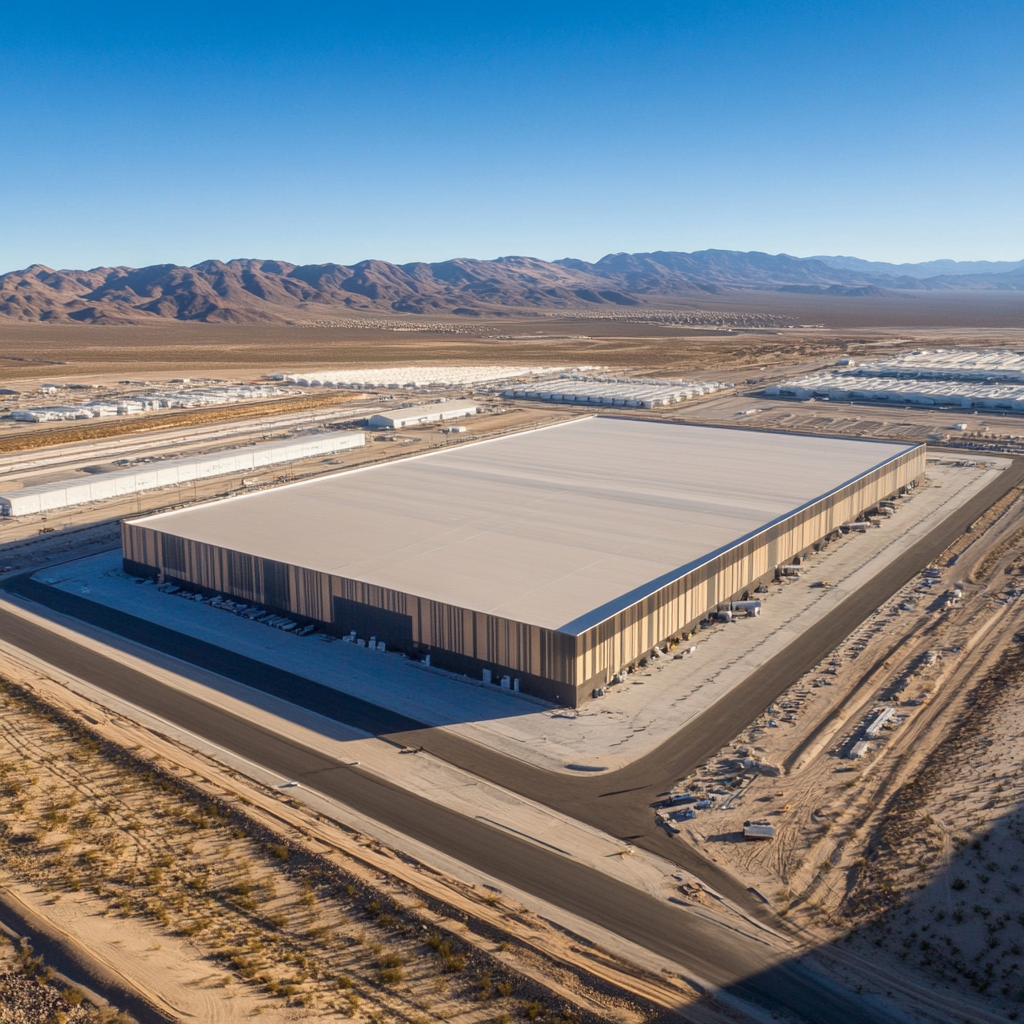
Eventually, it will make sense to move factories and other purely industrial infrastructure underground. Instead of being large sprawling complexes they will take on a linear form that stretches for miles and can be located almost anywhere. They will take on a linear form because that is the simplest and safest kind of structure to build underground.
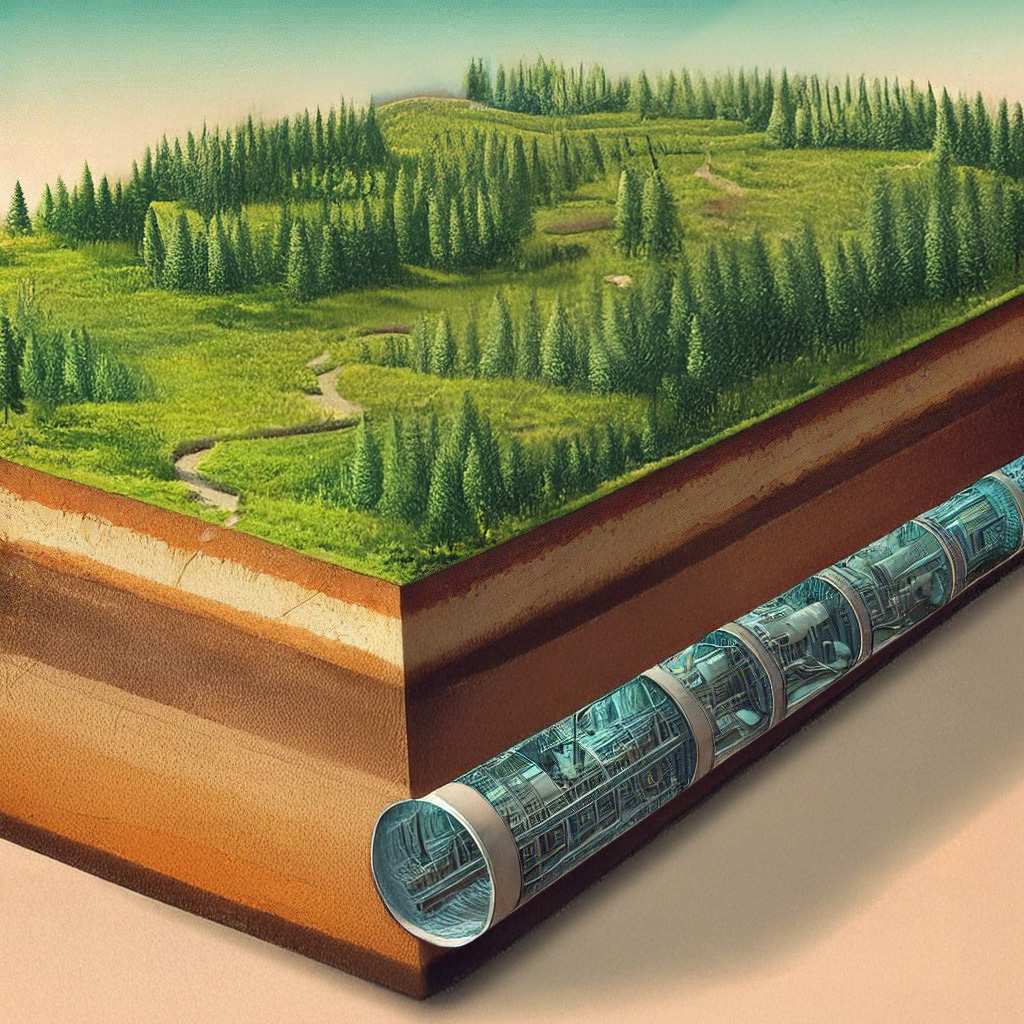
If there is a need for more lateral movement than is possible with long tubes, several parallel underground tubes could be connected.
These facilities will need to be only about 100 feet below the surface. Therefore, the heat associated with deep mines will not be an issue. The Alaskan Way Viaduct replacement tunnel in Seattle Washington is only about 100 feet below ground.
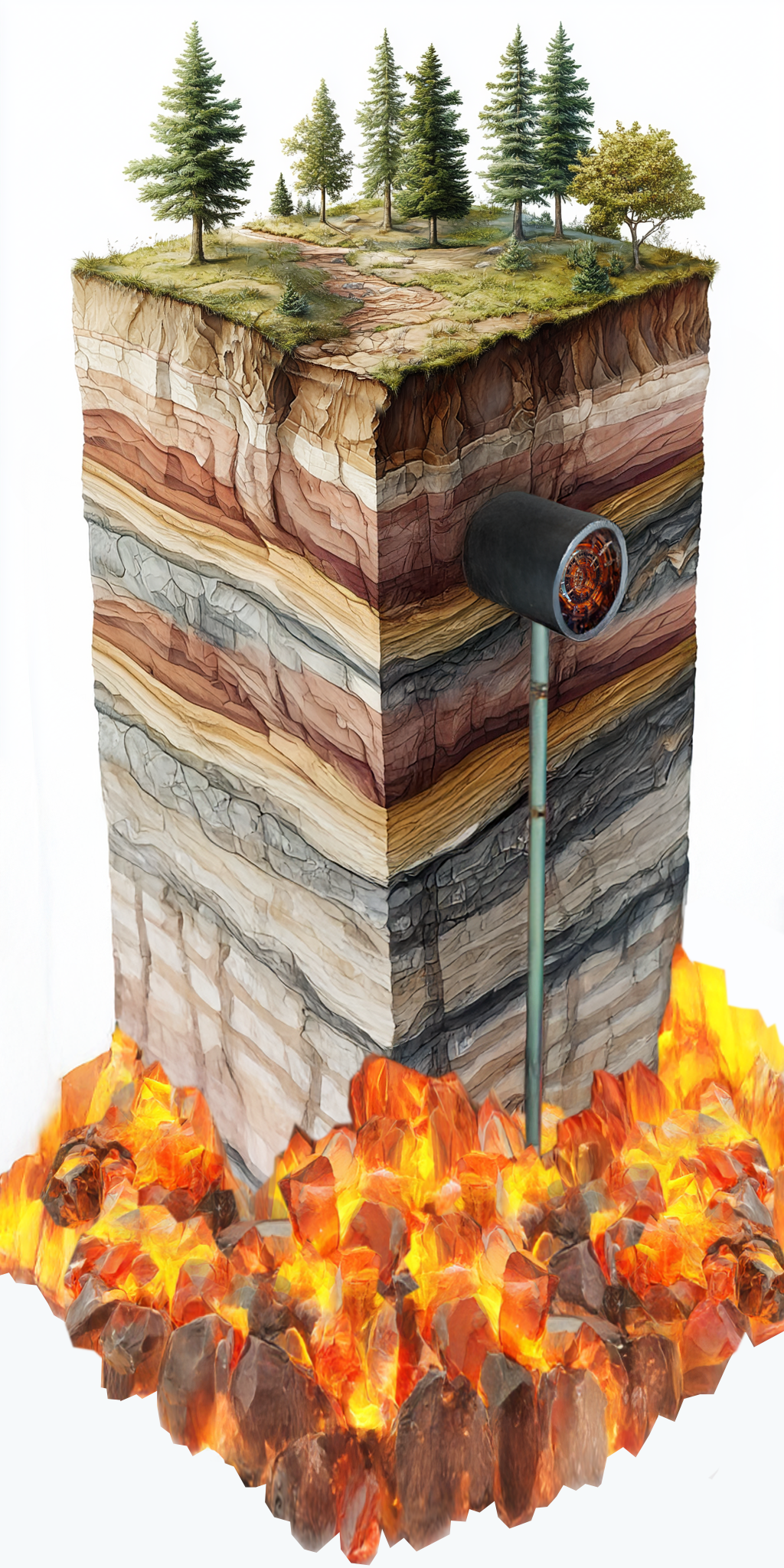
All of this underground infrastructure will require a power source. I have come to believe that the terrestrial energy source of the future will be deep geothermal of the sort being developed by Quaise Energy. Deep geothermal energy will be virtually free if it can be developed, and it will probably be the cleanest and least intrusive energy source available. Currently, Quaise Energy anticipates above-ground facilities with wells that reach twelve miles into the earth.
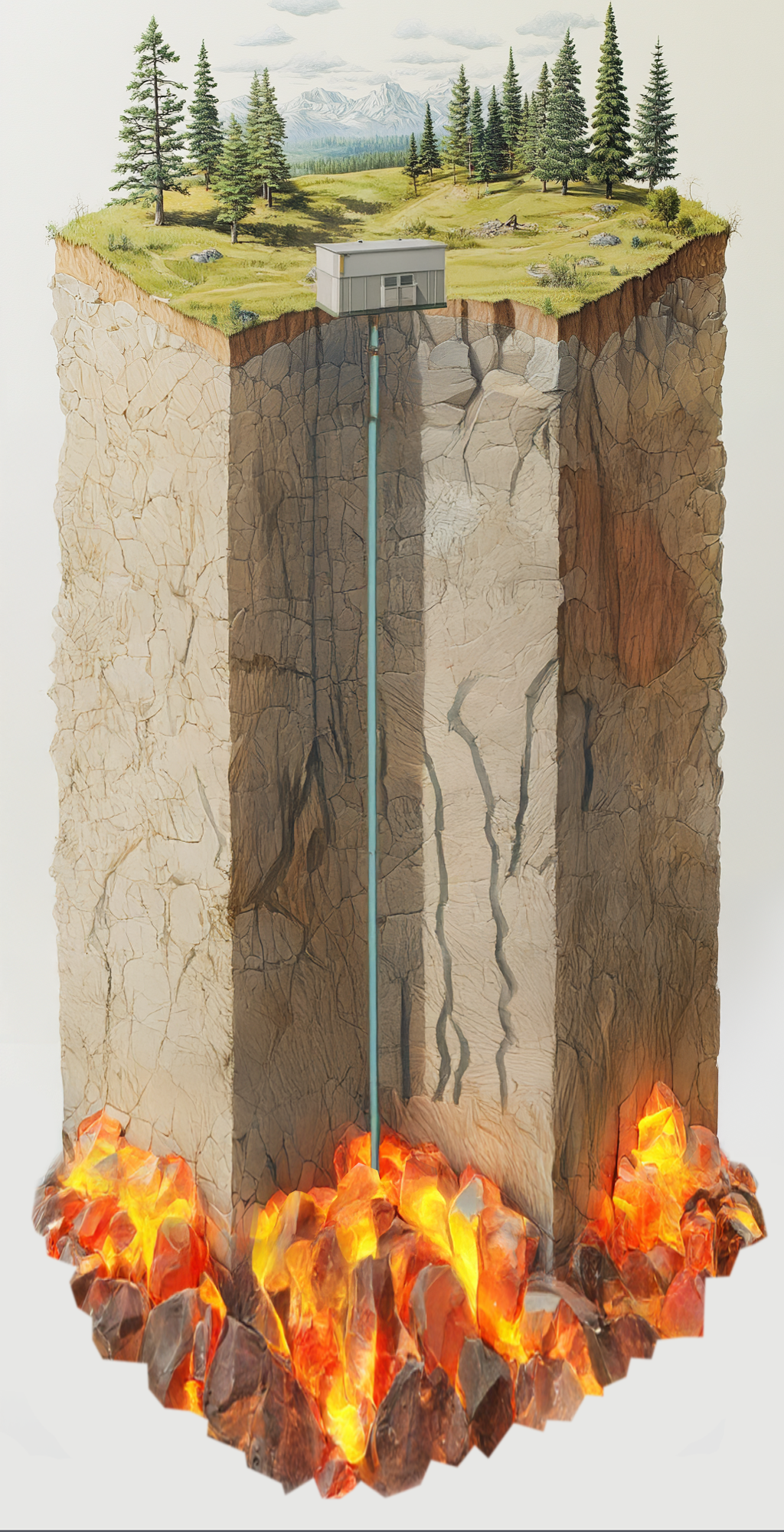
However, these facilities could also be located underground in long tubes similar to the previously described industrial infrastructure. This works out perfectly, since deep geothermal energy is also underground but just a whole lot further down.
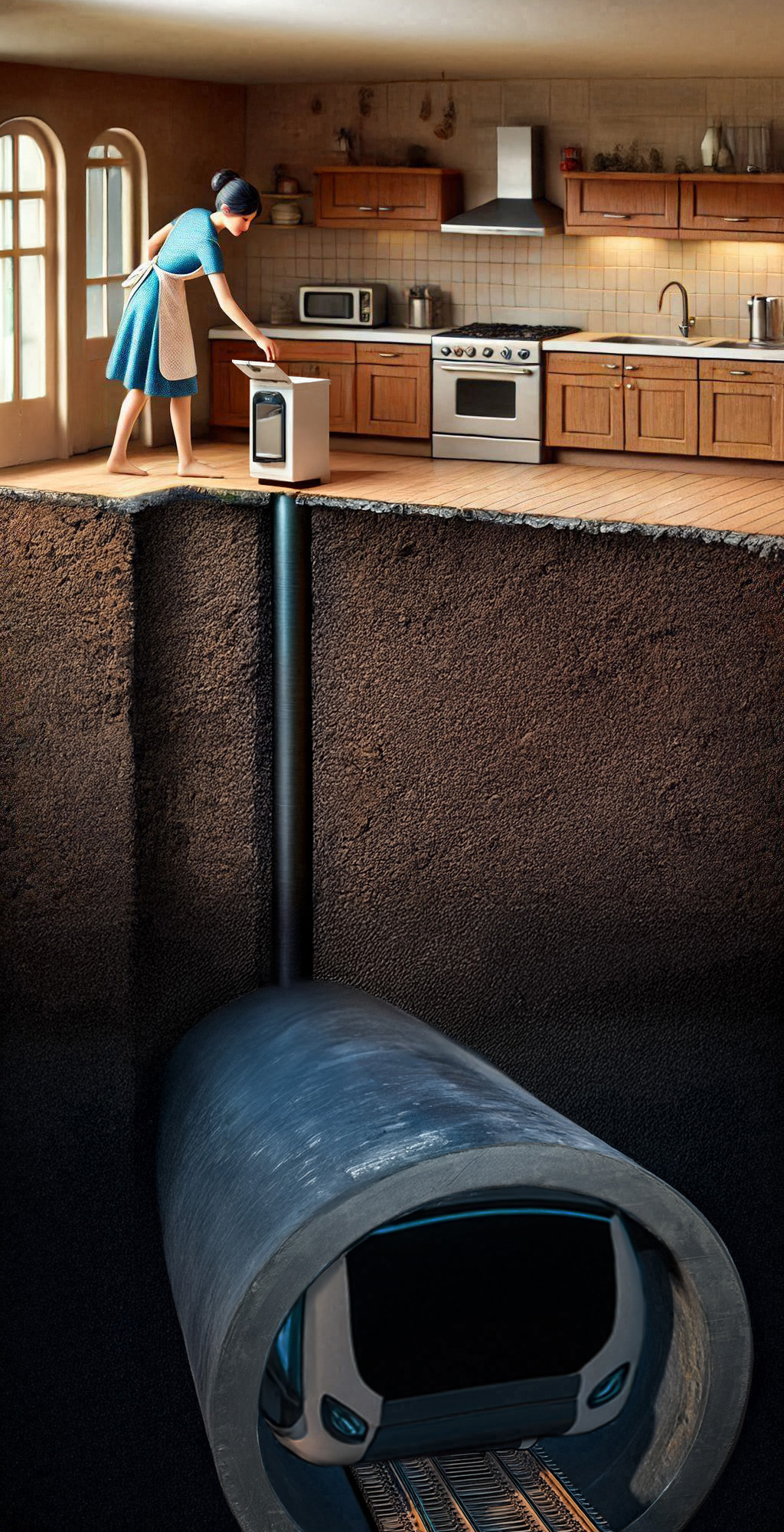
Another element of our infrastructure, the transport of waste, could also be moved underground. When people discard refuse, it will go down into the earth through tubes and elevators where it will be whisked away by underground robotic systems that take anything and everything to underground recovery, sorting and recycling stations. People will never need to think about what they discard. It will all be taken away and maximized for its potential.
Eventually, all of the purely functional infrastructure of society will be moved underground and only elegant human facilities will be located above ground.
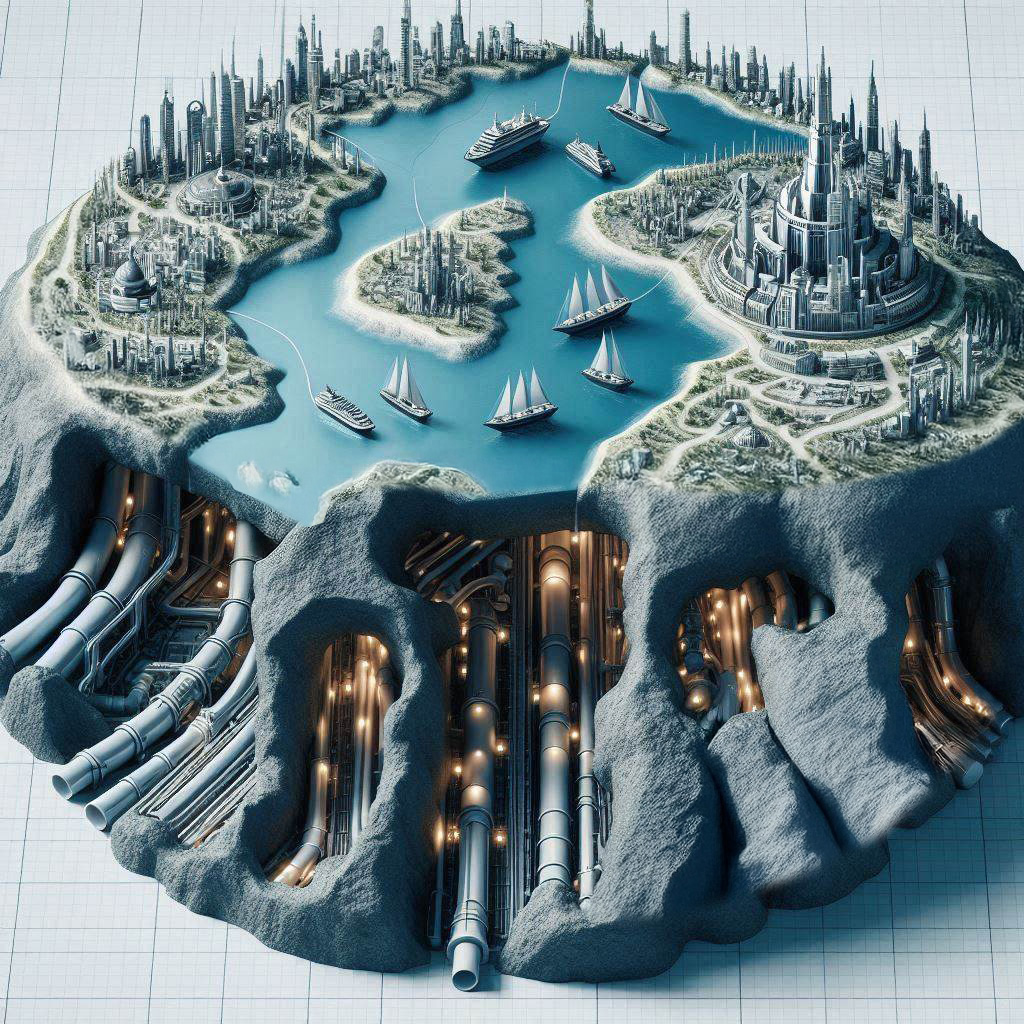
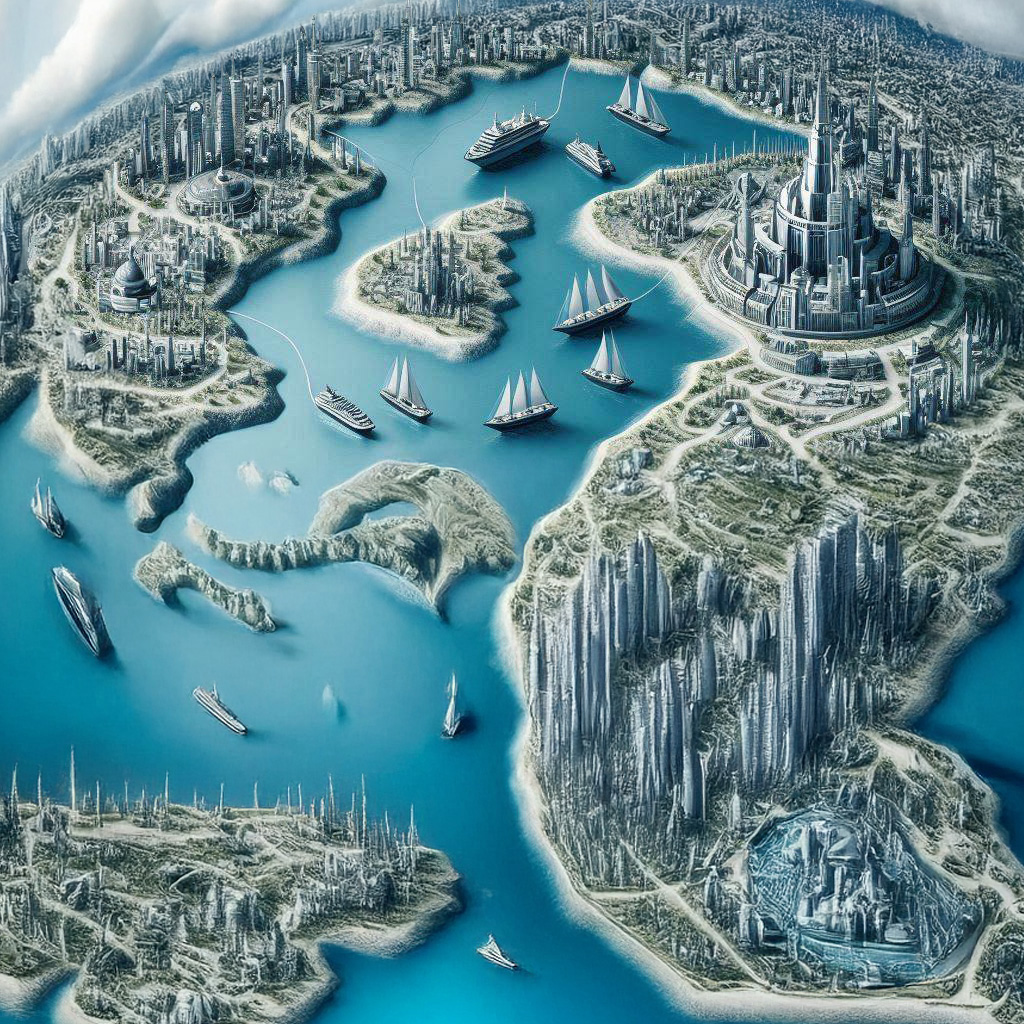
This will give civilization an aesthetic that is reminiscent of a beautiful woman with perfect skin which, nevertheless, conceals all the unattractive blood vessels and organs that make her beauty possible.

A popular science fiction trope involves people living underground. As one member of EV, spud100, points out, this is primarily a plot device. In the future, all people that remain on earth—I anticipate considerable migration into space—will live in elegant aboveground facilities that rival the visions of ancient prophets.


These facilities will be cleaned and maintained continuously by a tireless robotic work force.
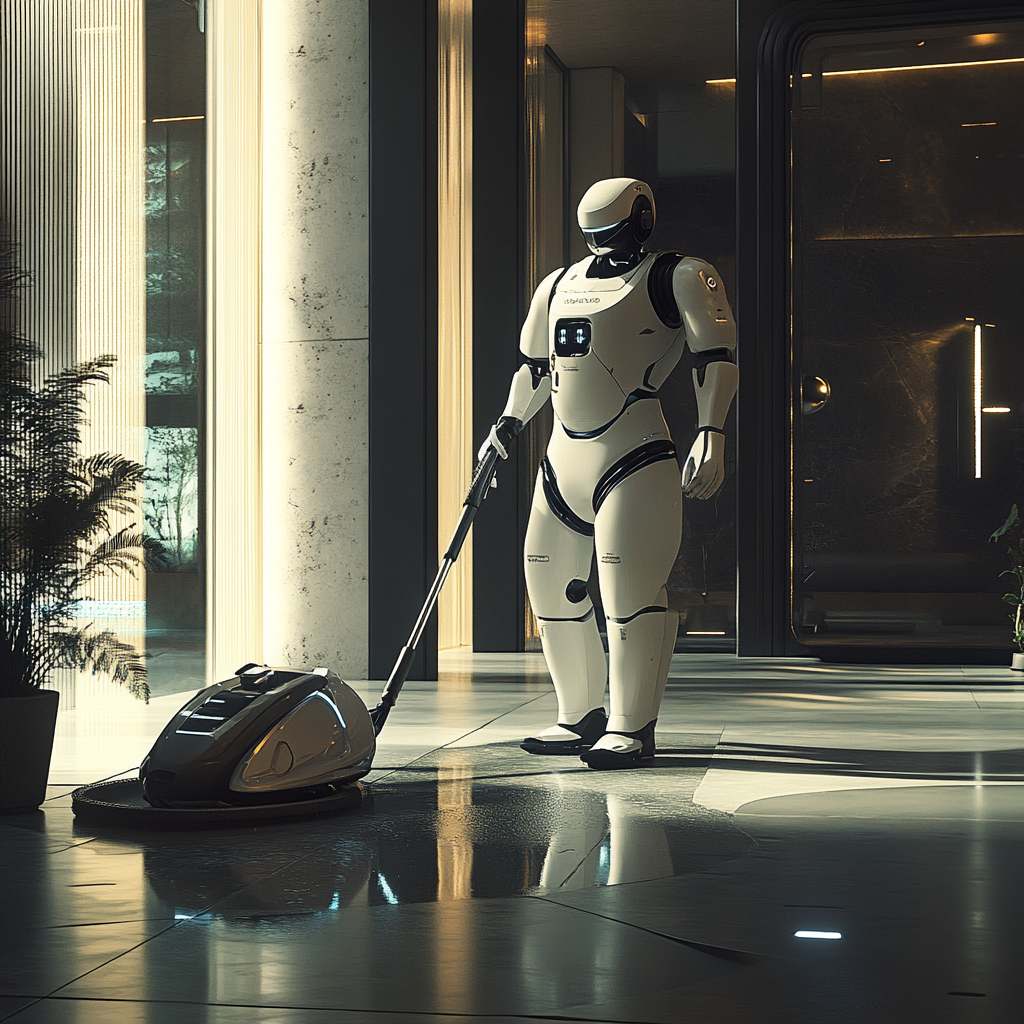
Only infrastructure will be underground. People will live effortlessly in this unimaginable opulence while all the muscle of civilization is conspicuously out of sight.
(All the images used in this essay were generated and edited using Midjourney, Bing’s Dall-E 3, and Photoshop. Some of the images, such as the woman dropping an item into a recycling receptacle, are composites that required considerable manipulation.)
 spikosauropod